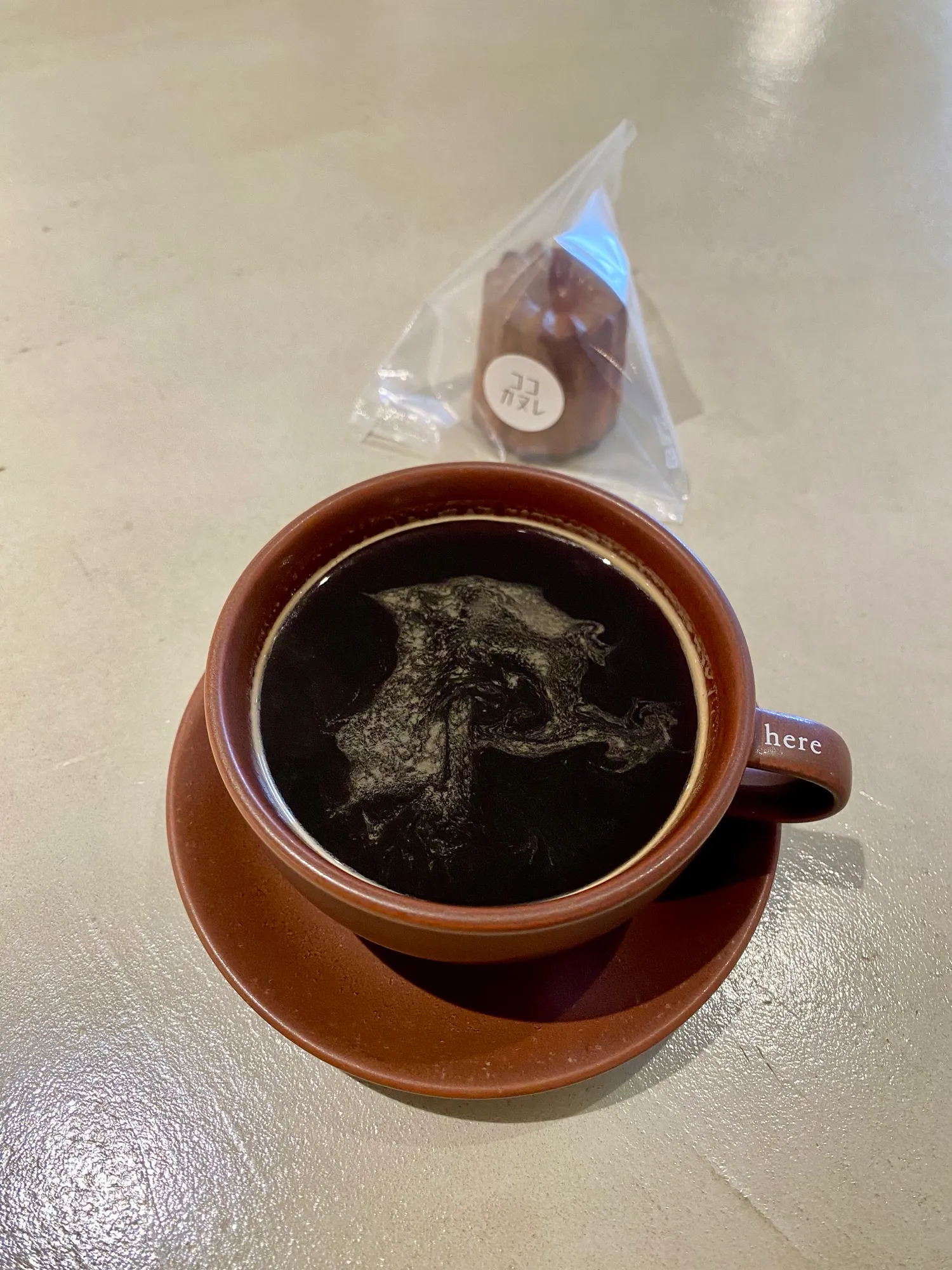
Brewing around the world : Kyoto, Japan 🇯🇵
It is easy to brew coffee than Matcha - says, city with highest coffee consumption in Japan
Kyoto may not be as famous as Tokyo or Melbourne for coffee, but it’s a hidden gem for enthusiasts. Blending rich cultural heritage with innovation, the city’s coffee scene offers a unique experience where every cup tells a story—whether it’s about the beans’ origins, meticulous brewing methods, or the historic setting in which it’s served. From traditional kissaten to modern roasteries, Kyoto is a must-visit destination for anyone who appreciates the artistry of coffee.
- Fuku Coffee Roastery, Higashiyama
- Smart Coffee, Teramachi Shopping Street
- Dunstan Coffee Roasters, Takasuji
- Weekender Coffee Roastery, Matsubara Street
- here Kyoto, Nijo Castle
Fuku Coffee Roastery, Higashiyama
Fuku Coffee Roastery—what an unforgettable experience. The artistry and passion of Morio-san, the owner, truly shine through in every aspect of the shop. Tucked inside a small machiya (traditional wooden townhouse), the shop’s façade is minimalist yet intriguing, adorned with what looks like an Edo-era family crest. It piques your curiosity, but the real magic unfolds once you step inside.
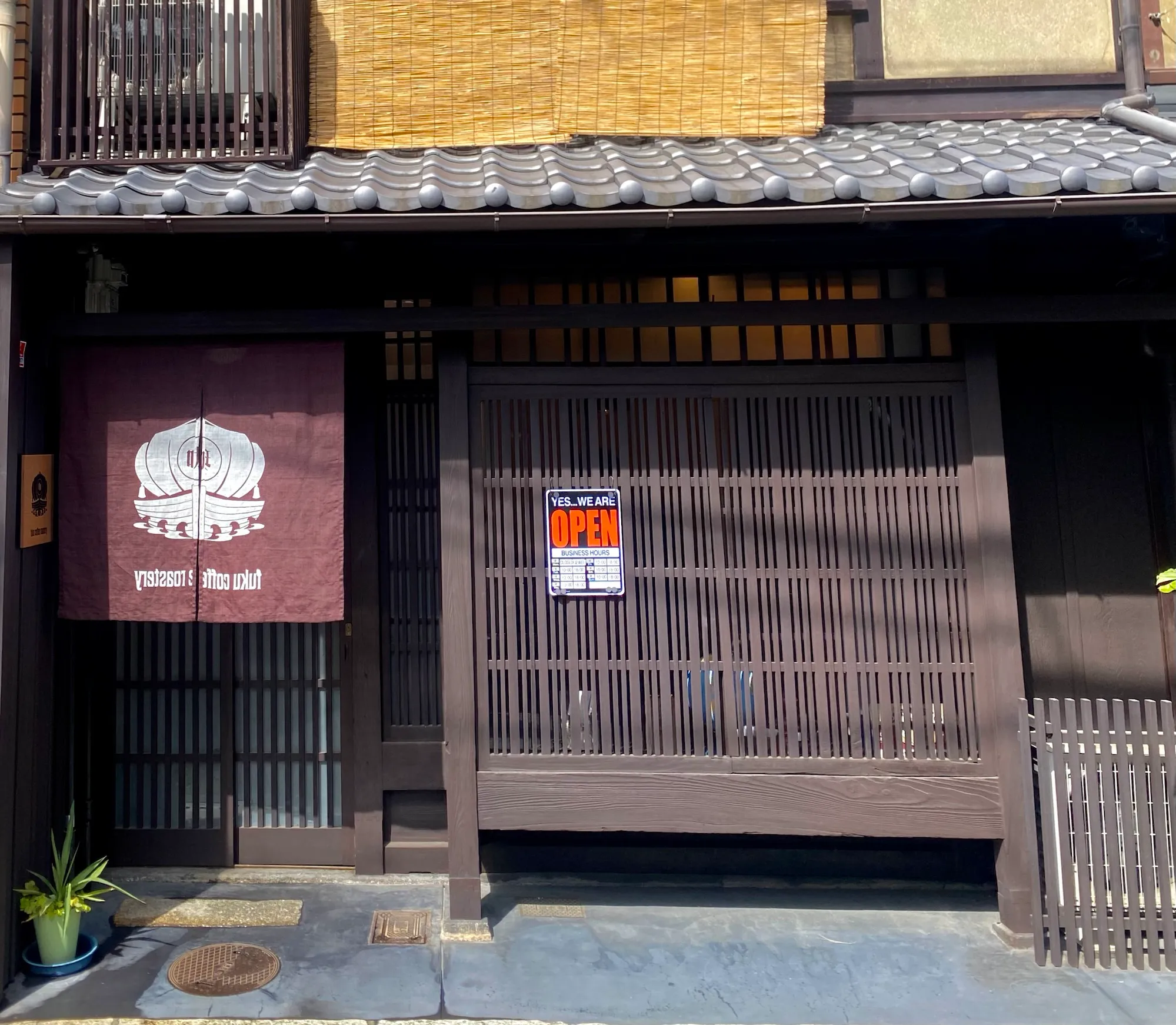
The cozy interior, warmly lit and filled with the inviting aroma of freshly roasted coffee, immediately draws you in. At the back of the machiya, the roasting machines hum away quietly, surrounded by carefully sourced beans. It’s a simple setup—just coffee, beans, and perhaps a few locally crafted merch items—but it’s the perfect example of the philosophy: do one thing, and do it exceptionally well. This place exceeded all my expectations.
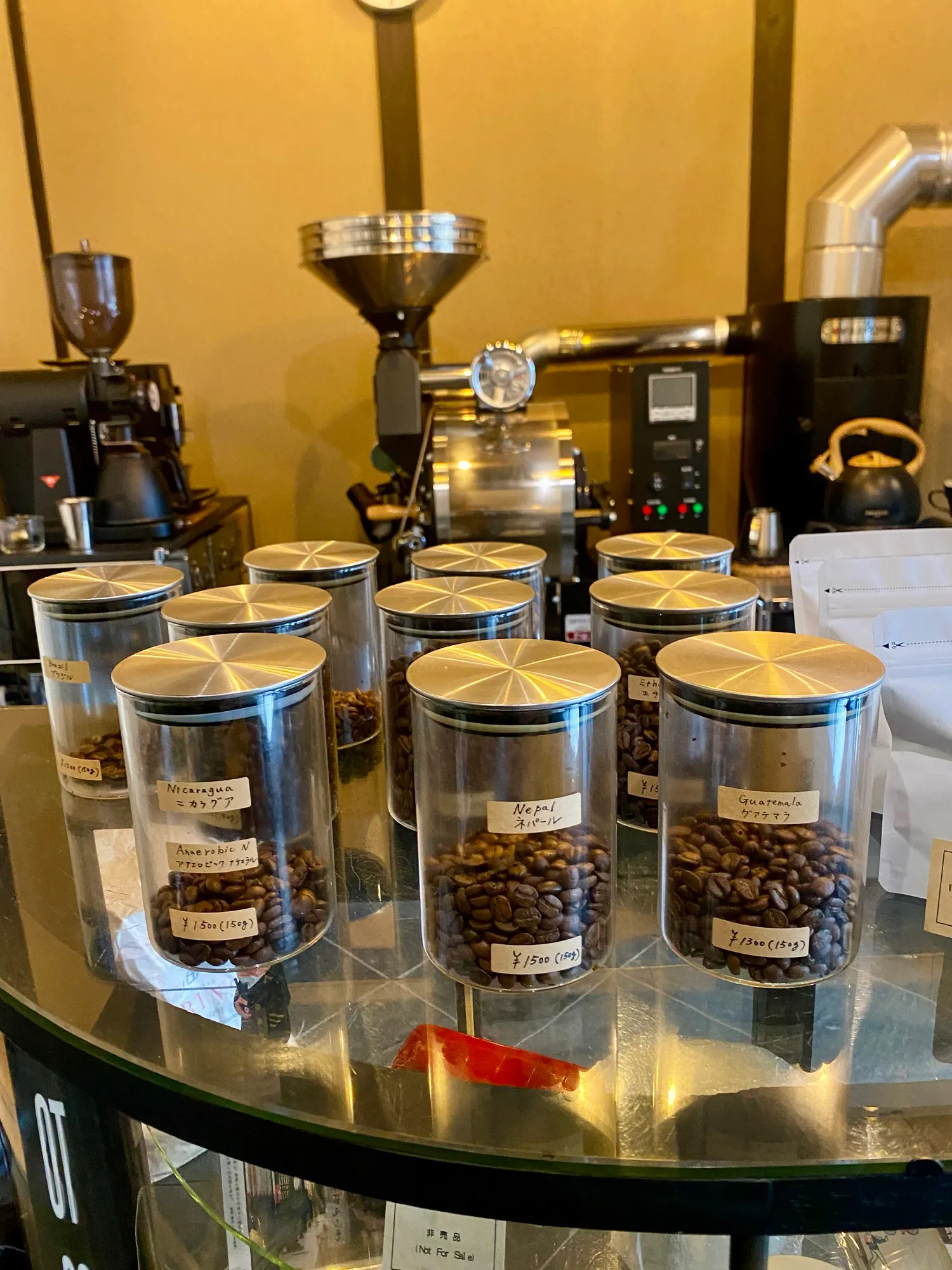
Morio-san himself is the heart of the shop. As soon as I walked in, he welcomed me with a warm smile and started a friendly conversation. At the time, I was just beginning to explore coffee, so I nervously explained what I liked. With a practiced hand, Morio-san guided me through bean recommendations, letting me sample the aromas to find the perfect match.
Fuku’s selection of beans is remarkable. I ended up grabbing bags of beans sourced directly by Morio-san himself—one from Pingtung, Taiwan, and another from Nicaragua. Each bag carried a story of craftsmanship and care, which made the experience even more special. I also treated myself to a cup of pour-over coffee to-go, and it was perfection.
If you’re a coffee lover, this is an absolute MUST. Drop by, say hello to Morio-san, and immerse yourself in the rich world of artisan coffee. This humble shop is a gem that celebrates the art of coffee in its purest form.
Smart Coffee, Teramachi Shopping Street
Kyoto is renowned for its “long-standing establishments,” with some dating back to the Edo era or even earlier. Smart Coffee is one of these enduring spots, having opened its doors in 1932. Today, it continues to serve comforting black coffee and French toast, preserving its beloved tradition.
From the vintage signage to the nostalgic interior (though likely refreshed over the years), it’s clear that Smart Coffee has been a cherished kissaten (Japanese-style café) for generations.
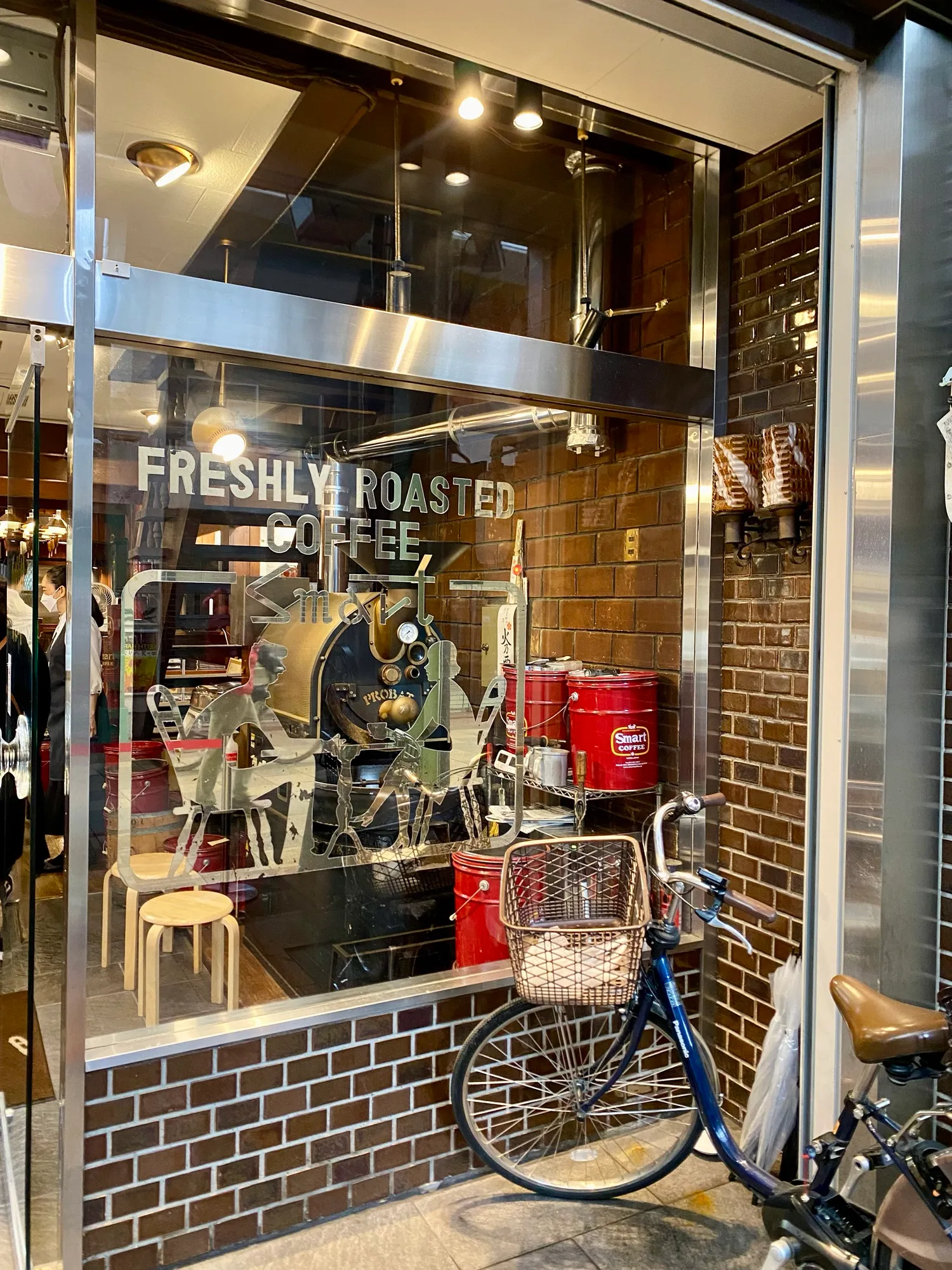
The menu is simple, offering black coffee made from Smart Coffee’s original blend, as well as Vienna coffee, lattes, and a selection of sandwiches, French toast, and pancakes. I visited early in the morning, just as the café opened for breakfast. Smart Coffee opens at 8 a.m. and closes at 7 p.m. I arrived around 7:45 a.m., and there was already a line of eager customers waiting for the café to open. It’s no surprise—this spot is well-loved by locals and a favorite among tourists.
Fortunately, the wait wasn’t too long, and I was seated around 8:05 a.m. I ordered two pancakes, a serving of French toast, and a cup of hot black coffee (yes, a lot for one person!). The coffee was straightforward but well-blended, providing a satisfying base for the meal. The pancakes and French toast were perfectly prepared—not too oily and just the right level of sweetness.
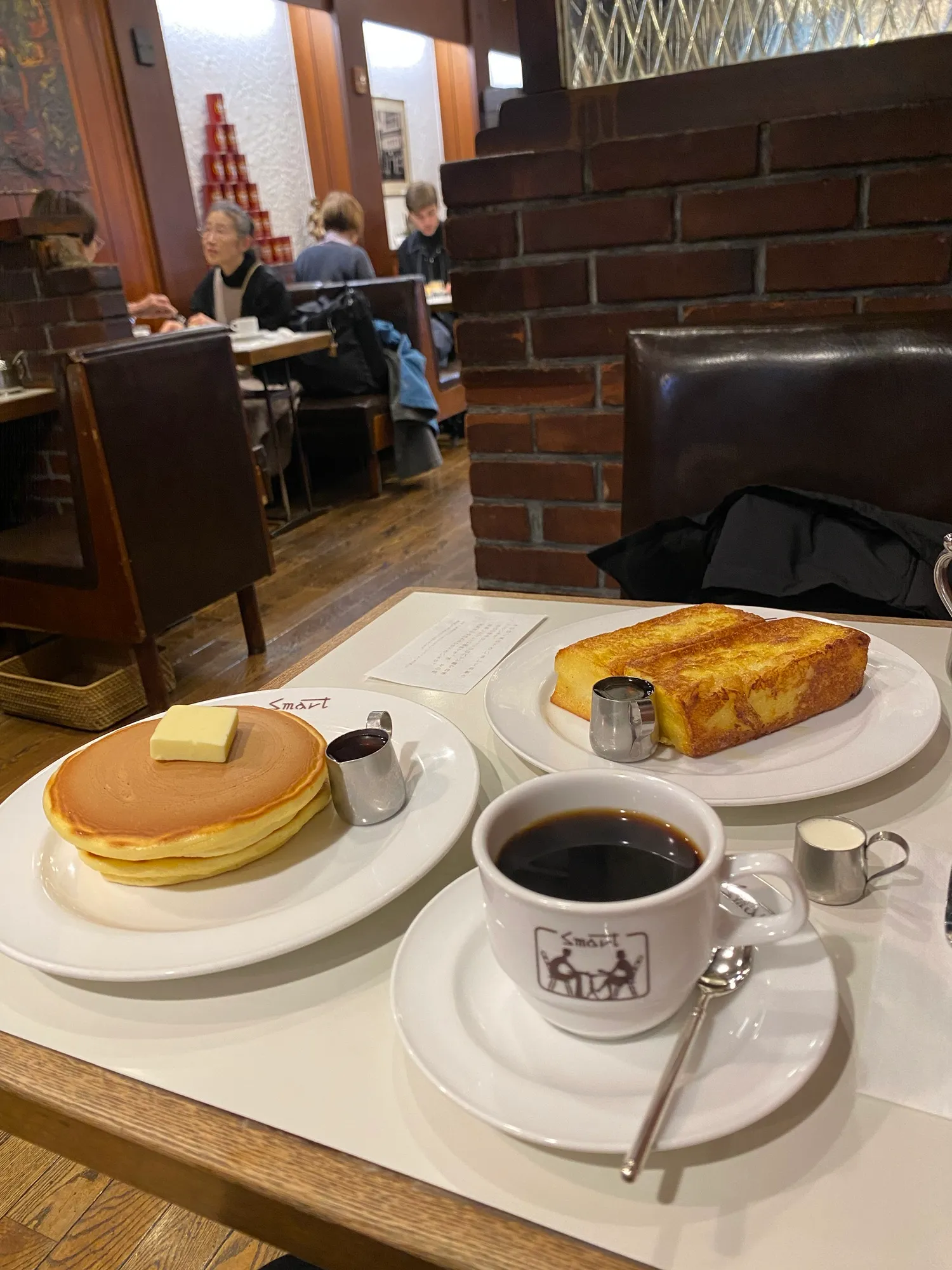
If you find yourself near Nishiki Market or the Teramachi area, craving a place to rest your legs and enjoy a relaxing chat with a friend in a retro kissaten ambiance, I highly recommend Smart Coffee.
Dunstan Coffee Roaster, Takasuji
Similar to Fuku Coffee Roastery, Dunstan Coffee Roaster is another hidden gem for coffee artisanship in Kyoto. The name “Dunstan” evokes a European charm, and the shop’s design matches that impression. When I visited, the cozy, dimly lit interior and welcoming aroma of coffee provided a comforting escape from the gloomy, rainy weather outside.
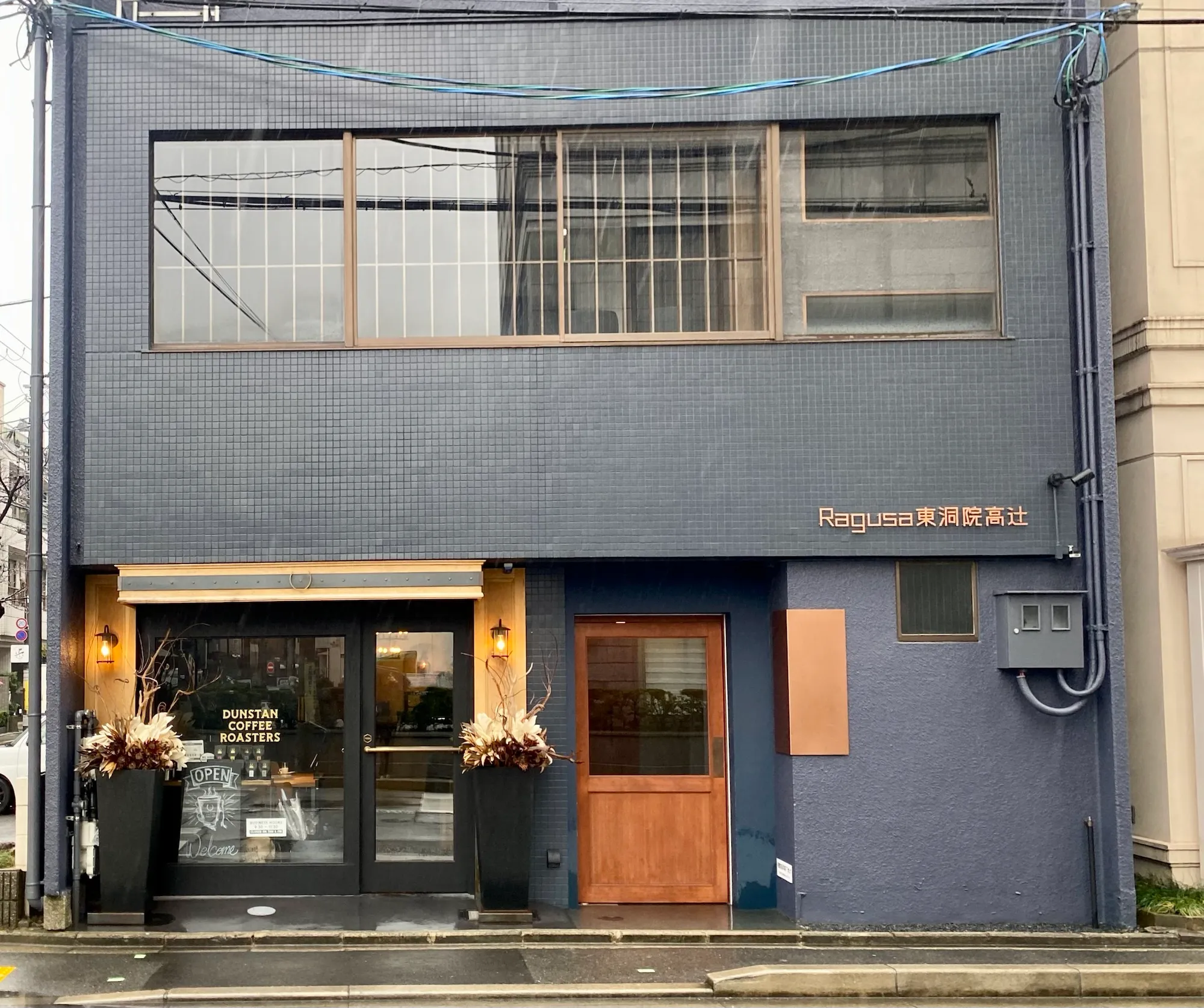
Dunstan’s menu is refreshingly simple yet thoughtfully crafted. Their coffee beans are named after everyday feelings, such as “No More Rule,” “Unable to Control,” “Take it Easy,” and “Nothing to Lose.” The idea behind these whimsical names is brilliant: coffee, much like emotions, is deeply personal—its enjoyment varies depending on an individual’s mood, the day, or even the moment. Dunstan’s philosophy embraces this, encouraging people to choose a coffee that resonates with how they feel rather than overthinking the technicalities.
I loved this concept. Coffee, as an experience, can sometimes feel intimidating or overly pretentious, but Dunstan strips that away, making it accessible and enjoyable for everyone. While the names are meant to evoke a vibe, the menu also provides clear taste profiles and flavor notes, making it easy to choose a coffee even for those unsure of what they’re looking for.
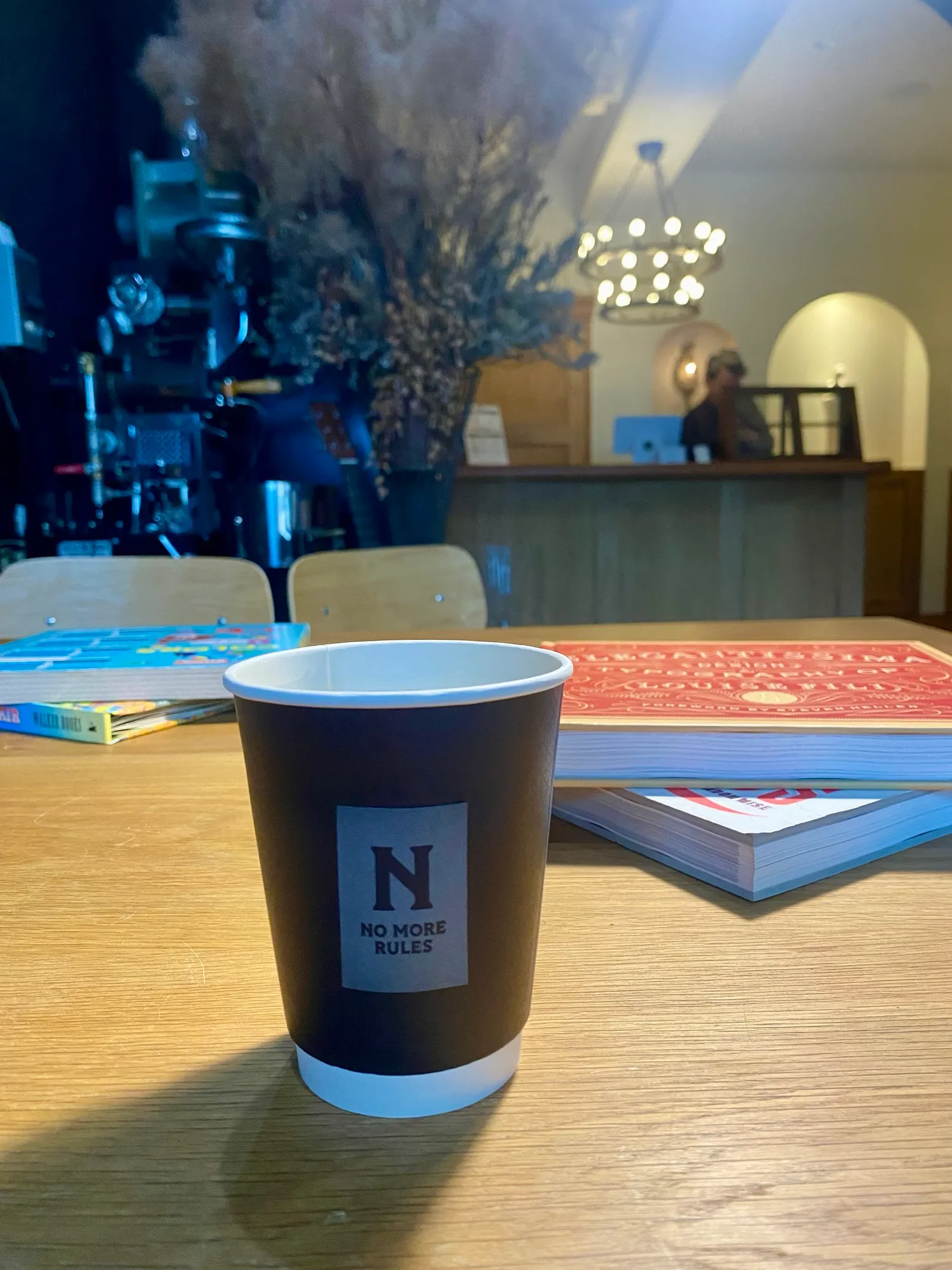
For anyone seeking an authentic, unpretentious, and cozy artisan coffee experience, Dunstan Coffee Roaster is the perfect spot. It’s a space where coffee is celebrated for its ability to connect with people in a way that feels personal and effortless. Highly recommended!
Weekender Coffee Roastery, Matsubara Street
Weekender Coffee Roastery is arguably one of the most well-known coffee roasters in Kyoto, and its reputation is evident from the line of people waiting even before it opens. Located on Matsubara Dori, its traditional shopfront adds a layer of charm, making the visit feel uniquely Kyoto-esque.
Unlike many other cafés in Kyoto, Weekender fully embraces its identity as a “roastery.” The moment you step inside, you’re greeted by the sight of large roasting machines and stacks of imported raw beans behind the counter. It feels like stepping into a coffee mill—except here, instead of grinding grains, the focus is on crafting the perfect roast.
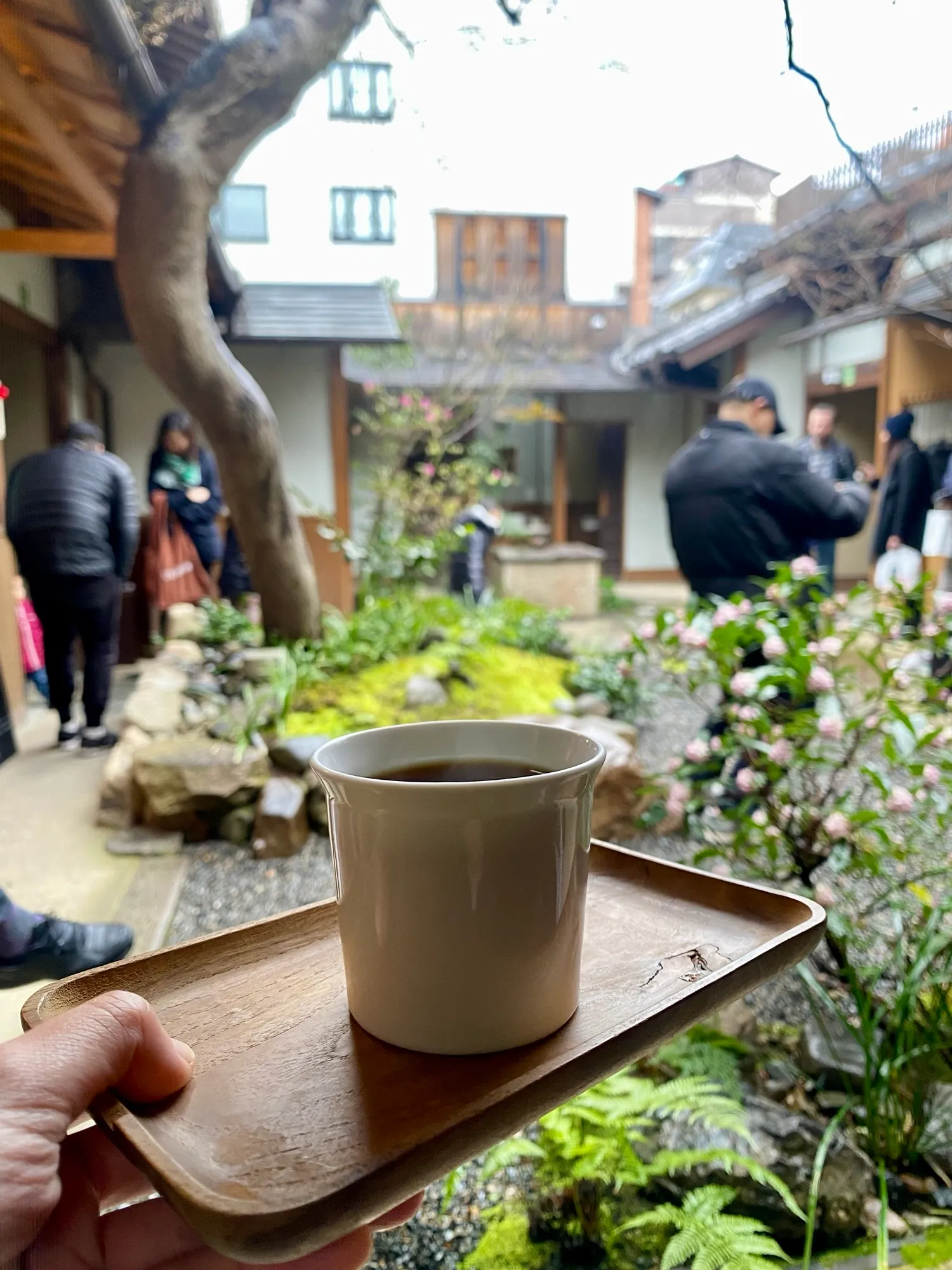
After placing your order at the counter, the shop reveals another surprise. Walk toward the back, and you’ll find a serene Japanese courtyard. With its open sky and delicate, well-manicured garden, it’s the perfect spot to sit and savor your coffee in tranquility. The blend of industrial roastery vibes with the peacefulness of a traditional Japanese setting makes Weekender a must-visit for coffee enthusiasts exploring Kyoto.
here Kyoto, Nijo Castle
here Kyoto is conveniently located near Nijo Castle and stands out with its sleek, modern, and minimalist interior—quite a departure from Kyoto’s more traditional coffee spots. What truly sets this place apart, however, is its reputation for canelés! As someone who loves coffee and has a soft spot for these caramelized French pastries, I couldn’t resist stopping by on my way to the castle.
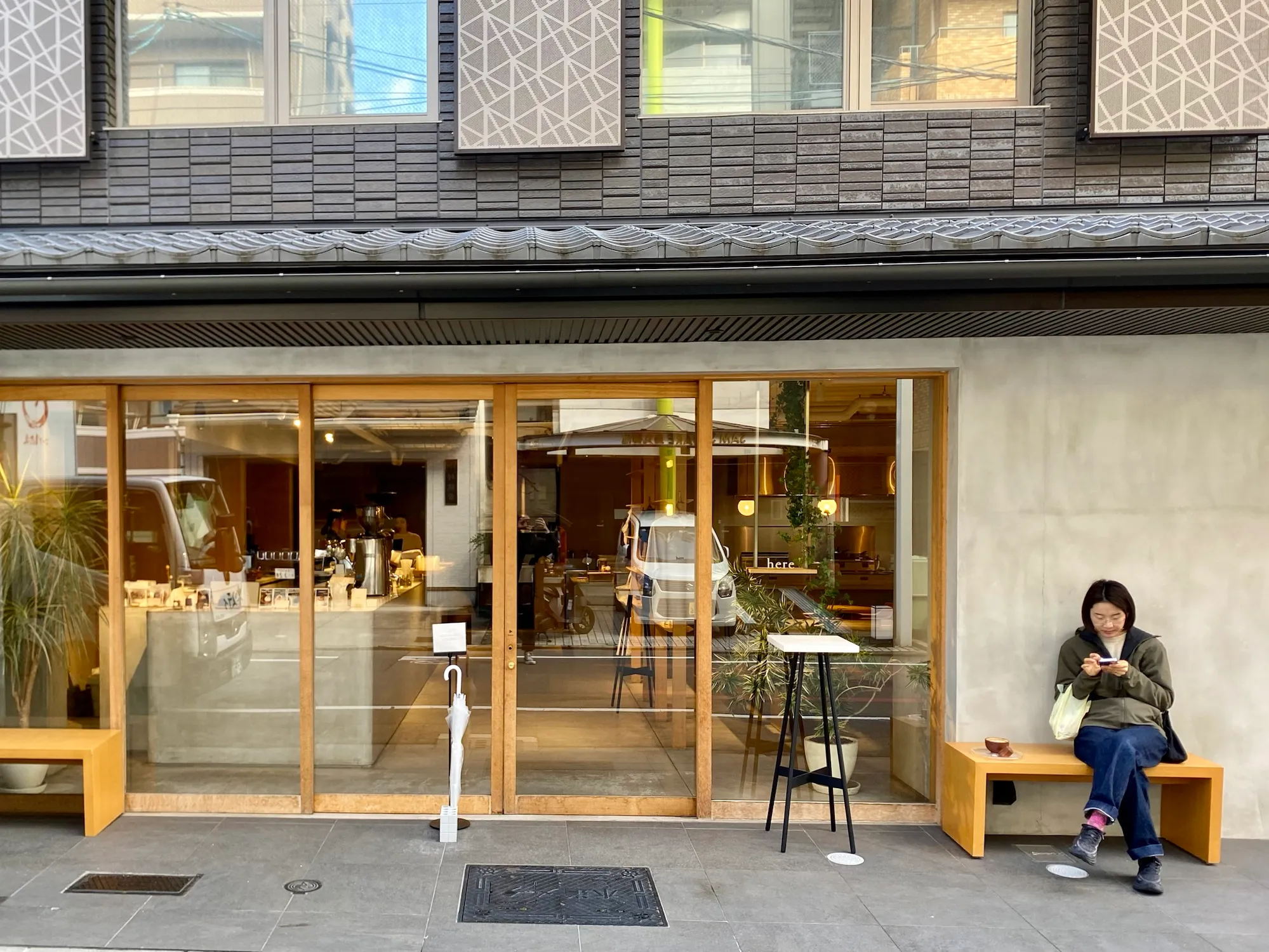
Beyond the coffee and pastries, here is a treasure trove for merchandise enthusiasts. Whether it’s caps, t-shirts, totes, or other branded goodies, the selection is extensive (and dangerously tempting!).
The owner created here to share the unforgettable experience of enjoying canelés in France, blending it with exceptional coffee to create something uniquely special. It’s a place where passion shines through—perfect for anyone seeking a harmonious pairing of well-crafted coffee and indulgent canelés. Don’t miss this spot if you’re near Nijo Castle!